Good lawns usually start with someone paying attention.
Look at the grass, feel the soil and work with the weather. That beats throwing another product at the problem.
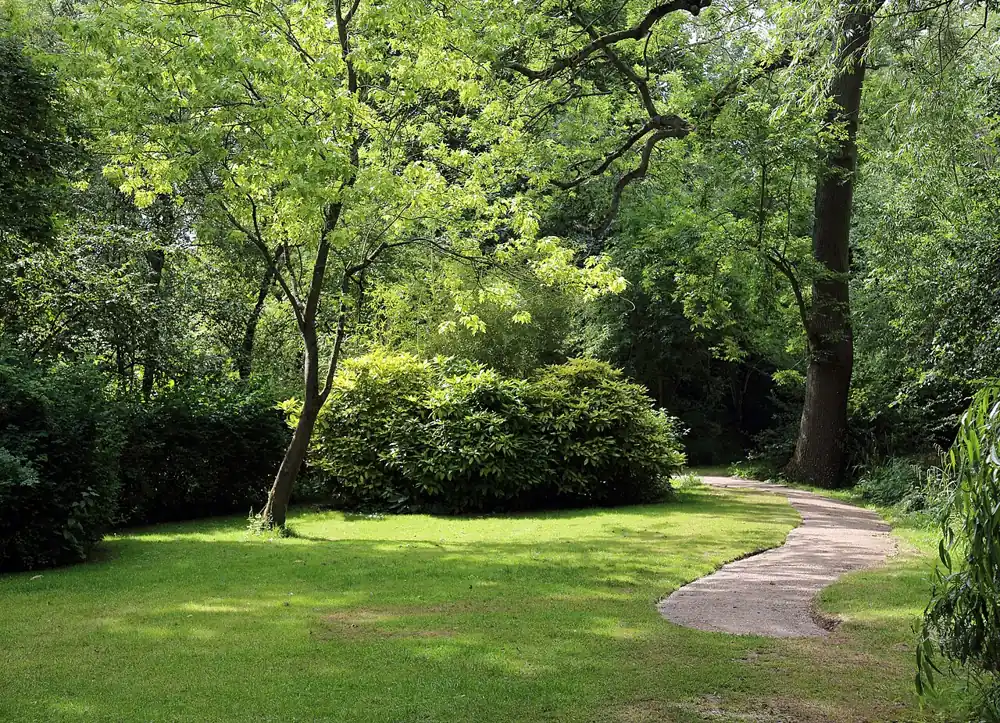
If the grass looks wrong, check the soil, light and mowing before adding another product.
Rain, shade and a bit of heavy clay can change the plan.
If a job is not worth doing, the guide says so.
Useful checks, sensible rates and the reasons behind them.
What is your lawn doing?
Choose the closest symptom. The guide will help you check the cause before deciding what to do.
Thin or bare grass
Choose a mixture that suits the light, soil and level of wear.
A pale or hungry lawn
Check growth, moisture and the NPK label before applying a feed.
Dry, tired grass
Read the signs of water stress and avoid shallow daily watering.
Bumps and hollows
Find the cause, then decide between topdressing and lifting turf.
Ragged or weak growth
Set the right cutting height and check the mower blade first.
Hard or waterlogged soil
Distinguish surface compaction from a deeper drainage problem.
Unsure what is growing
Compare leaf texture, growth habit and the conditions each grass prefers.
Learn the job properly.
Seven practical guides explain the method, the timing and the point at which a different problem needs attention.
Browse the complete libraryGrass seed
A practical UK guide to lawn seed mixtures, sowing rates, soil preparation and germination for hard-wearing, shaded and ornamental lawns.
8 min readFertiliser
Understand NPK, seasonal lawn feeds, application rates, iron and safe fertiliser use for healthy UK lawns.
9 min readWatering
Learn when, how deeply and how often to water established turf and new seed in the UK while avoiding waste and shallow roots.
7 min readLevelling
A step-by-step guide to diagnosing and levelling bumps, hollows and settlement in an established lawn with topdressing or turf repair.
10 min readMowing
UK lawn mowing guidance covering cutting height, the one-third rule, stripes, clippings and seasonal technique.
6 min readAeration
Identify lawn compaction and choose solid-tine or hollow-tine aeration at the right time for UK soil conditions.
7 min readGrass types
A practical comparison of common lawn grasses in the UK, including their strengths, limitations and the conditions they need.
12 min readReuse turf
A practical guide to lifting sound lawn turf, keeping it alive while it is moved, and relaying it in another part of a UK garden.
8 min readThree jobs where the detail matters more than the product.

Choosing grass seed for a British lawn
Seed does not need magic. It needs decent contact with damp soil, a bit of patience and a mixture that suits the patch you are trying to grow.
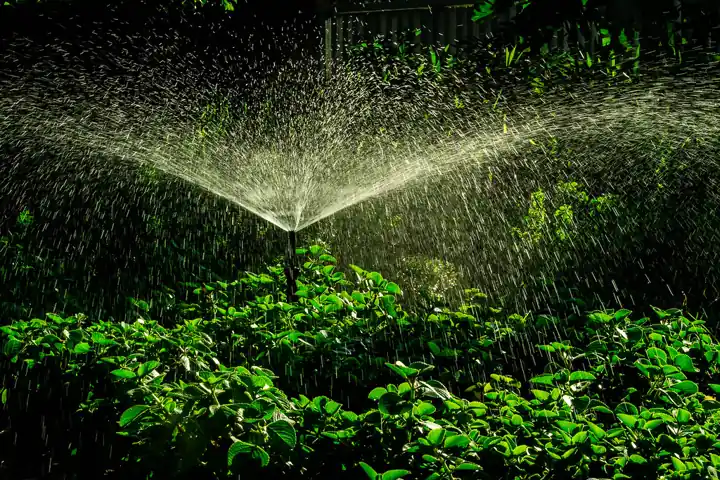
Watering a lawn deeply—and less often
Most established lawns do better with a proper soak now and then than a daily mist. New seed is the exception: it needs the surface kept damp while it gets going.
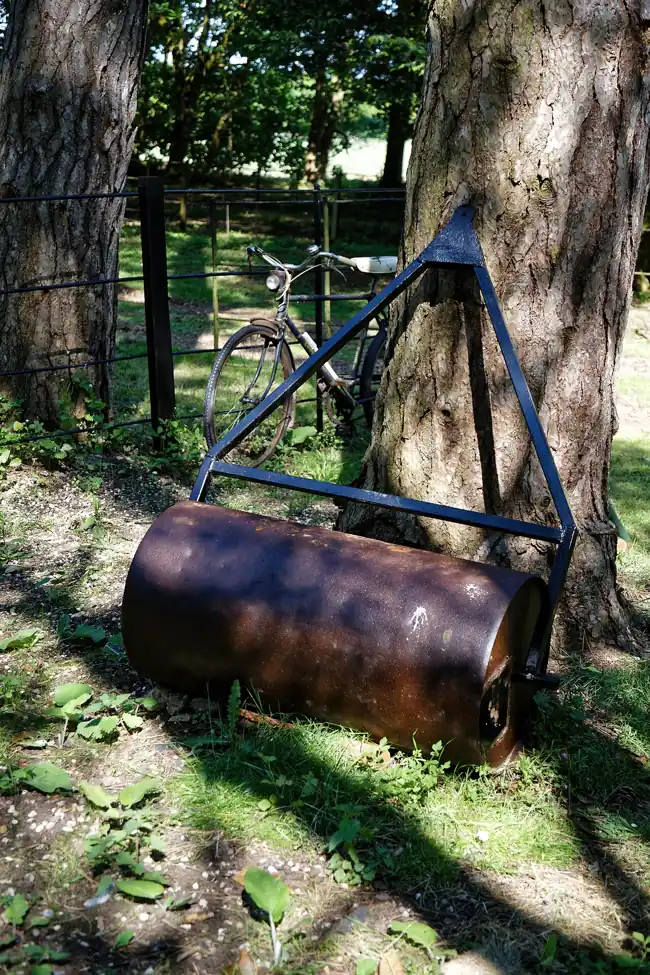
How to level a bumpy lawn without burying it
A wavy lawn is tempting to bury under a barrowload of soil. Go slowly. Small ripples can be dressed out; big hollows and ongoing movement need a proper look first.
The date is only a hint.
A warm, damp September may be ideal for seed. A dry one is not. Check the soil and forecast before following the calendar.
Open the care calendarSpring
Restart mowing gently. Repair winter wear once growth is moving.
Summer
Cut higher in dry weather and let established turf rest if water is short.
Autumn
Warm soil makes this the best window for seed, aeration and repairs.
Winter
Clear leaves and keep heavy traffic off wet or frozen ground.
Turn measurements into a soil order.
Use the lawn dimensions and two level readings to estimate screened topsoil in kilograms, cubic metres and bags.
Open the soil calculatorNo sales pitch hiding inside the guide.
Grass Whisperer explains what a material or method can do, where it falls short, and what to inspect first. Product labels and local restrictions always take priority.
- Evidence over slogansRates and timings are specific enough to use.
- Ordinary gardensThe advice allows for shade, children, pets and imperfect soil.
- Visible limitsDrainage failure and subsidence are not disguised as lawn-care jobs.